
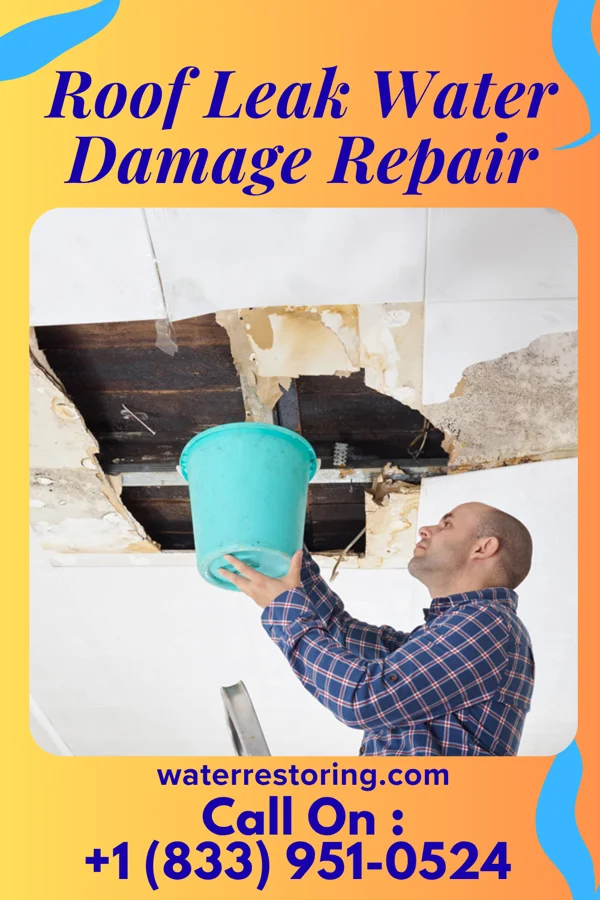
Active Roof Leak Containment in Woodland
Most water damage emergencies in Woodland start with Woodland, Minnesota experiences frequent thunderstorms and heavy rainfall, especially during late spring and early summer. These weather patterns can lead to sudden roof leaks, particularly around gutters and roof valleys. The region's cold winters also contribute to ice dams, which can cause water to back up under shingles and seep into the home.. A close second is In the fall, Woodland sees strong winds and heavy rain, which can damage roofing materials and create new leak points. Additionally, the area is prone to sudden temperature fluctuations that can stress roofing systems and lead to premature wear.. From the second water touches the property, every minute changes what gets saved and what gets ripped out.
The combination of heavy rainfall, freezing temperatures, and strong winds in Woodland creates a challenging environment for roofing systems. Homes in the area are particularly vulnerable to water infiltration during transitional seasons when weather patterns are unpredictable.
The combination of heavy rainfall, freezing temperatures, and strong winds in Woodland creates a challenging environment for roofing systems. Homes in the area are particularly vulnerable to water infiltration during transitional seasons when weather patterns are unpredictable. The dominant local driver is Woodland, Minnesota experiences frequent thunderstorms and heavy rainfall, especially during late spring and early summer. These weather patterns can lead to sudden roof leaks, particularly around gutters and roof valleys. The region's cold winters also contribute to ice dams, which can cause water to back up under shingles and seep into the home., with In the fall, Woodland sees strong winds and heavy rain, which can damage roofing materials and create new leak points. Additionally, the area is prone to sudden temperature fluctuations that can stress roofing systems and lead to premature wear. showing up as the next most common cause. Damage builds in stages. Spread. Absorption. Microbial growth. Structural compromise. Every stage you pass through adds to the final bill.
For public guidance on the health effects of mold after prolonged water exposure, see the EPA mold and health page.